Stay informed about the latest developments in skid-mounted PV systems, prefabricated photovoltaic containers, containerized energy solutions, and renewable energy innovations across Africa.
10000 mAh power banks can be trustworthy and travel-friendly power sources for charging electronic devices such as smartphones, tablets, and other USB-powered devices. Looking for a reputable and quality power solution? Anker's 10000mAh power banks are designed to keep your devices charged anytime, anywhere.
On average, it can provide 1 to 3 charges for most smartphones. For example, the 10000 mah Anker 733 Power Bank can provide 2.1 charges for iPhone 13, 2.0 charges for Galaxy S22, and 1.7 charges for Google Pixel 6. How many hours should a 10000mAh power bank be charged?
Our 10000 mah batteries offer a 2-in-1 charging solution, serving as both a wall charger and a portable charger and enabling you to get charged in different scenarios. With two USB-C ports and one USB-A port, you can also charge up to three devices simultaneously, providing convenience and flexibility.
Anker 10000 mAh power bank blends compact design, quick output, and wireless charging to keep phones running during daily commutes and longer trips.
Lithium-iron phosphate batteries officially surpassed ternary batteries in 2021, accounting for 52% of installed capacity. Analysts estimate that its market share will exceed 60% in 2024. The first vehicle to use LFP batteries was the Chevrolet Spark EV in 2014. A123 Systems made the batteries.
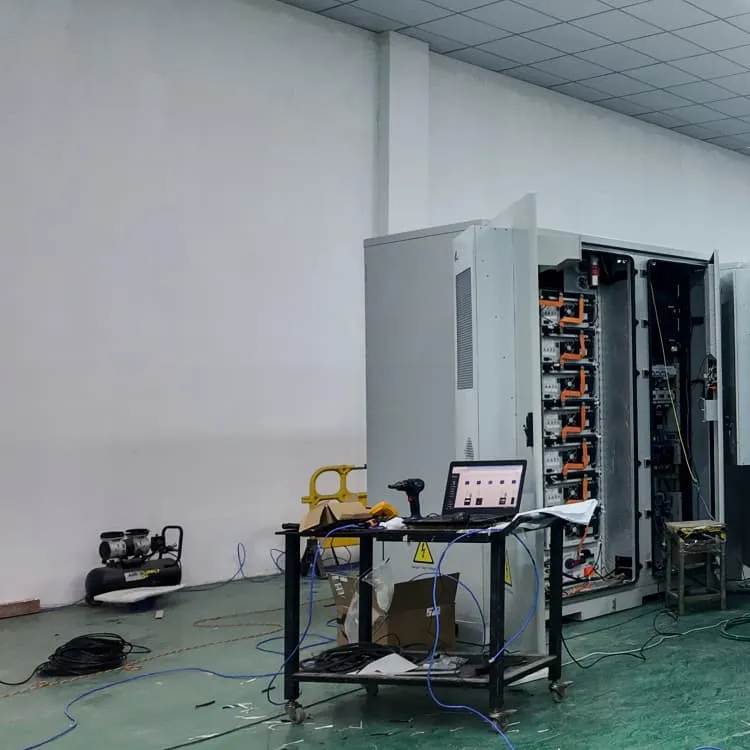
Multiple lithium iron phosphate modules are wired in series and parallel to create a 2800 Ah 52 V battery module. Total battery capacity is 145.6 kWh. Note the large, solid tinned copper busbar connecting the modules. This busbar is rated for 700 amps DC to accommodate the high currents generated in this 48 volt DC system.
Lithium iron phosphate modules, each 700 Ah, 3.25 V. Two modules are wired in parallel to create a single 3.25 V 1400 Ah battery pack with a capacity of 4.55 kWh. Volumetric energy density = 220 Wh / L (790 kJ/L) Gravimetric energy density > 90 Wh/kg (> 320 J/g).
Negative electrodes (anode, on discharge) made of petroleum coke were used in early lithium-ion batteries; later types used natural or synthetic graphite. Multiple lithium iron phosphate modules are wired in series and parallel to create a 2800 Ah 52 V battery module. Total battery capacity is 145.6 kWh.
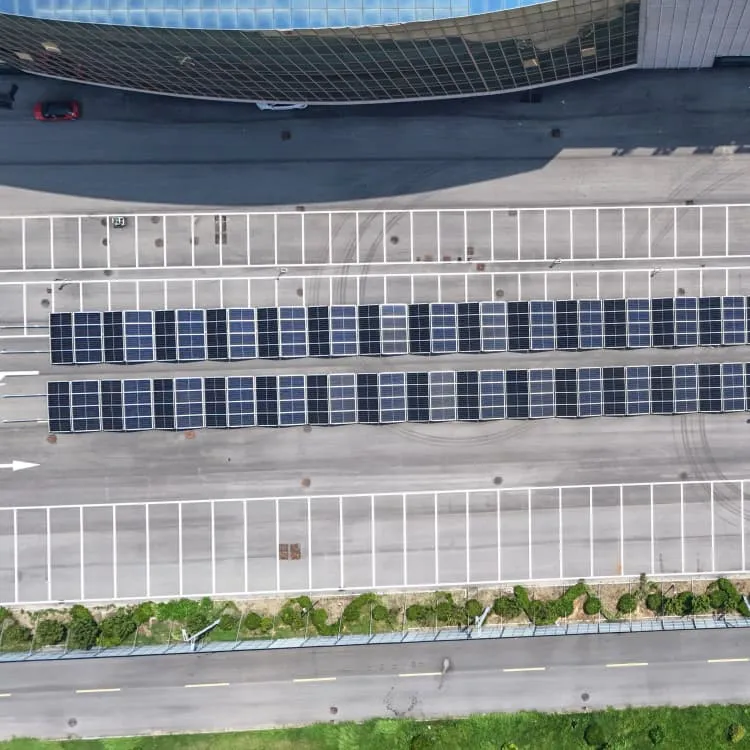
The Government of Tuvalu worked with the e8 group to develop the Tuvalu Solar Power Project, which is a 40 kW grid-connected solar system that is intended to provide about 5% of Funafuti 's peak demand, and 3% of the Tuvalu Electricity Corporation's annual household consumption.
The Tuvalu National Energy Policy (TNEP) was formulated in 2009, and the Energy Strategic Action Plan defines and directs current and future energy developments so that Tuvalu can achieve the ambitious target of 100% renewable energy for power generation by 2020.
Tuvalu's power has come from electricity generation facilities that use imported diesel brought in by ships. The Tuvalu Electricity Corporation (TEC) on the main island of Funafuti operates the large power station (2000 kW).
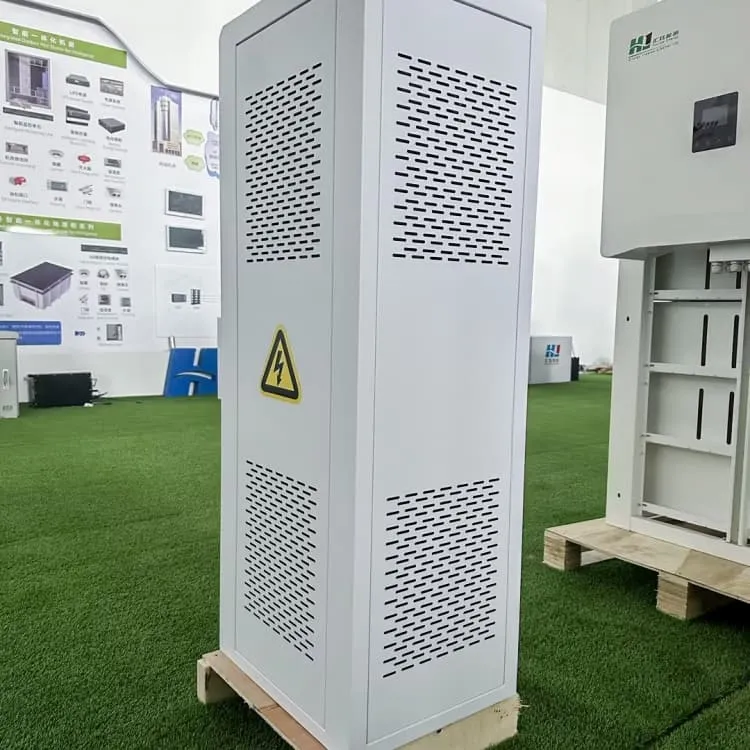
For example, the Bangladesh Energy Regulatory Commis-sion (BERC) Licensing Regu-lations 2006 do not include rules for licensing of energy storage technologies (except for pumped storage). The institutional framework for the procurement and deploy-ment of such projects is well established in the country.
Bangladesh’s utility electricity sector operates a single national grid, managed by the Power Grid Company of Bangladesh (PGCB), with an installed capacity of 25,700 MW as of June 2022. Bangladesh 's energy sector is not up to the mark. However, per capita energy consumption in Bangladesh is considered higher than the production.
Problems in Bangladesh's electric power sector include high system losses, delays in completion of new plants, low plant efficiency, erratic power supply, electricity theft, blackouts, and shortages of funds for power plant maintenance.
Various power sector agencies including Bangladesh Rural Electrification Board (BREB) and West Zone Power Distribution Company Limited (WZPDCL) have already deployed EV charging stations, as have various private investors (including SolShare).