Indonesian energy storage project subsidies
Welcome to our dedicated page for Indonesian energy storage project subsidies! Here, we have carefully selected a range of videos and relevant information about Indonesian energy storage project subsidies, tailored to meet your interests and needs. Our services include high-quality Indonesian energy storage project subsidies-related products and solutions, designed to serve a global audience across diverse regions.
We proudly serve a global community of customers, with a strong presence in over 20 countries worldwide—including but not limited to the United States, Canada, Mexico, Brazil, the United Kingdom, France, Germany, Italy, Spain, the Netherlands, Australia, India, Japan, South Korea, China, Russia, South Africa, Egypt, Turkey, and Saudi Arabia.
Wherever you are, we're here to provide you with reliable content and services related to Indonesian energy storage project subsidies, including cutting-edge energy storage cabinets, advanced lithium-ion batteries, and tailored energy storage solutions for a variety of industries. Whether you're looking for large-scale industrial storage systems or residential energy storage, we have a solution for every need. Explore and discover what we have to offer!
Indonesia targets $12bn in energy subsidies for 2024
Indonesia''s government is considering setting its energy subsidies at 186.9 trillion rupiah ($11.9bn) in 2024 to maintain its citizens'' purchasing power, said the Ministry of Energy and
Read more
Indonesia unveils plan for 100 GW of solar
The new initiative features plans for 80 GW of 1 MW solar minigrids with accompanying battery energy storage, to be deployed across 80,000 villages, alongside 20
Read more
What are the energy storage projects in Indonesia?
Despite the vast potential surrounding energy storage projects, several challenges hinder their rapid development in Indonesia. Financing is a
Read more
National Policy Recommendations for Indonesia
This knowledge product describes Indonesia''s energy transition challenges and opportunities, emphasizing the need to move beyond non-market-based policies such as price
Read more
RENEWABLE ENERGY TARIFFS AND INCENTIVES IN INDONESIA
This report proposes a renewable energy (RE) subsidy mechanism to close the gap between the costs of renewable power and conventional power generation, taking into account the
Read more
Pioneering Transboundary CO2: Indonesia''s Role in
These regulations offer detailed guidance on CCS and CCUS activities and position Indonesia as a leader in ASEAN, particularly in
Read more
Indonesia''s Energy Transition Under President Prabowo
The fiscal allocation of IDR 402.4 trillion for energy resilience in 2026 demonstrates a multi-dimensional approach that combines targeted subsidies for households, tax incentives for
Read more
What are the energy storage projects in Indonesia? | NenPower
Despite the vast potential surrounding energy storage projects, several challenges hinder their rapid development in Indonesia. Financing is a critical issue, as significant capital
Read more
Indonesia Renewable Energy Laws and Regulations 2022
In this piece, our Jakarta-based projects and renewables team provides a compact overview of the regulatory environment & policy landscape for renewables in Indonesia, how
Read more
Indonesia''s Aggressive Renewable Energy Policies
Both these projects are a step towards increasing Indonesia''s share of renewable energy from 15% to 23% by 2030 and aligning with the ambitious goal of
Read more
Indonesiaʼs energy transition: Dependency, subsidies and
Indonesia will need to banish all fossil fuel subsidies—including electricity, transport, and gas eventually and reinvest 20% of the savings in energy efficiency and 10% in
Read more
Indonesiaʼs energy transition: Dependency, subsidies
Indonesia will need to banish all fossil fuel subsidies—including electricity, transport, and gas eventually and reinvest 20% of the savings in
Read more
Indonesia''s Energy Policy Briefing | February 2022
This edition of Indonesia''s Energy Policy Briefing offers an update on the main measures undertaken in the context of the second year of the COVID-19 pandemic and related
Read more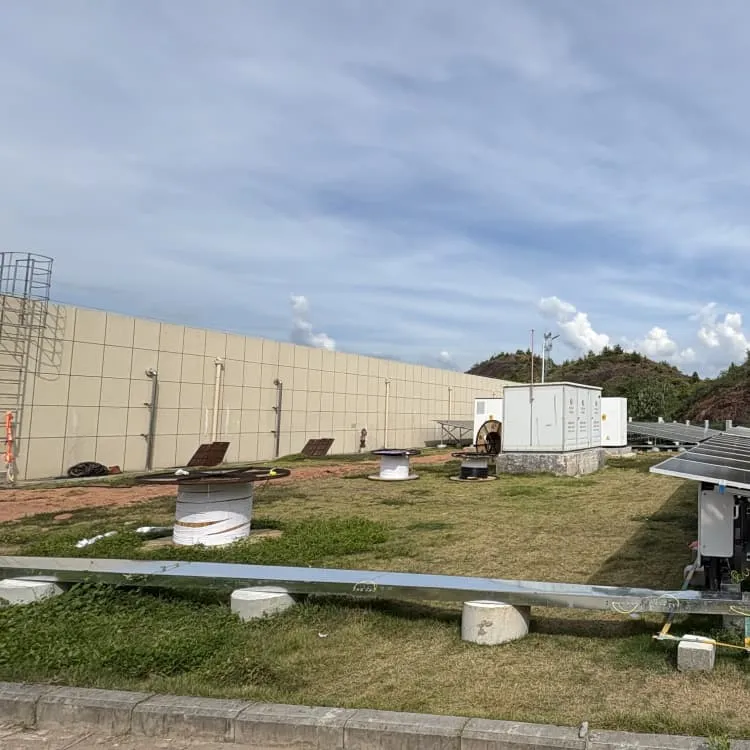
Indonesia
Indonesia In 2020-2021, in response to the COVID 19 pandemic, Indonesia has committed at least USD 6.78 billion to supporting different energy types
Read more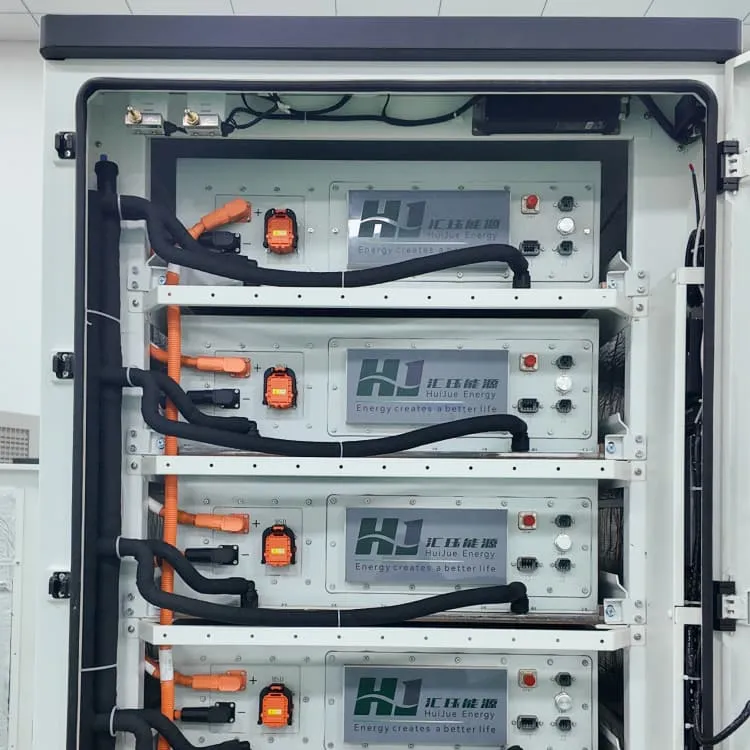
Indonesia building 5MW pilot battery storage
Indonesia has launched a 5MW battery storage pilot project and says it could use the technology at all its state-owned power plants.
Read more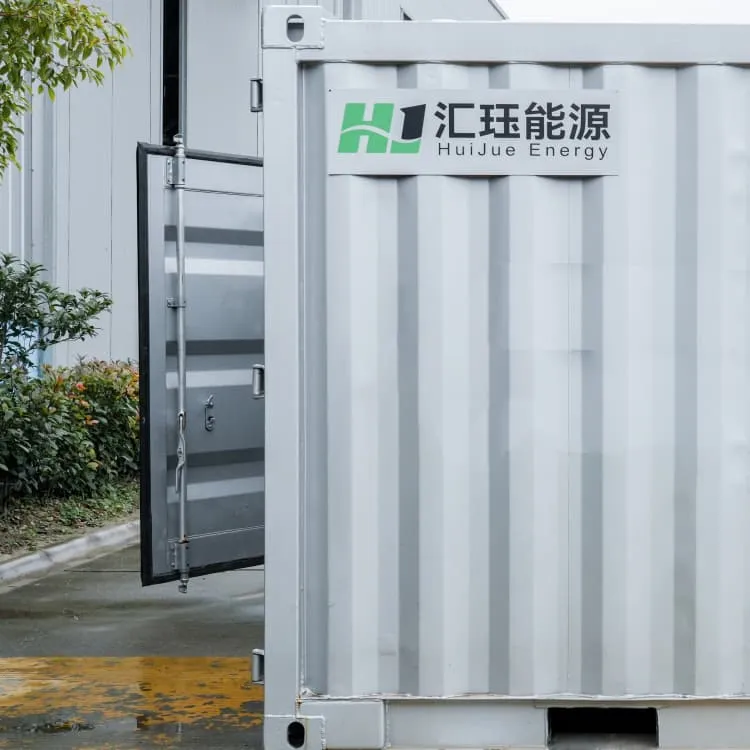
A Citizen s Guide to Energy Subsidies in Indonesia
Indonesia''s fuel subsidies were put in place to make energy more affordable, particularly for poor people. However, overwhelming evidence suggests that most of the subsidies—likely to be
Read more
Battery Energy Storage System (BESS) market di Indonesia
The need for storage increases from 2030 onwards with capex of electricity storage grows to around USD 82 billion in 2035 and further declines to USD 42 billion in 2050. Started in 2013,
Read more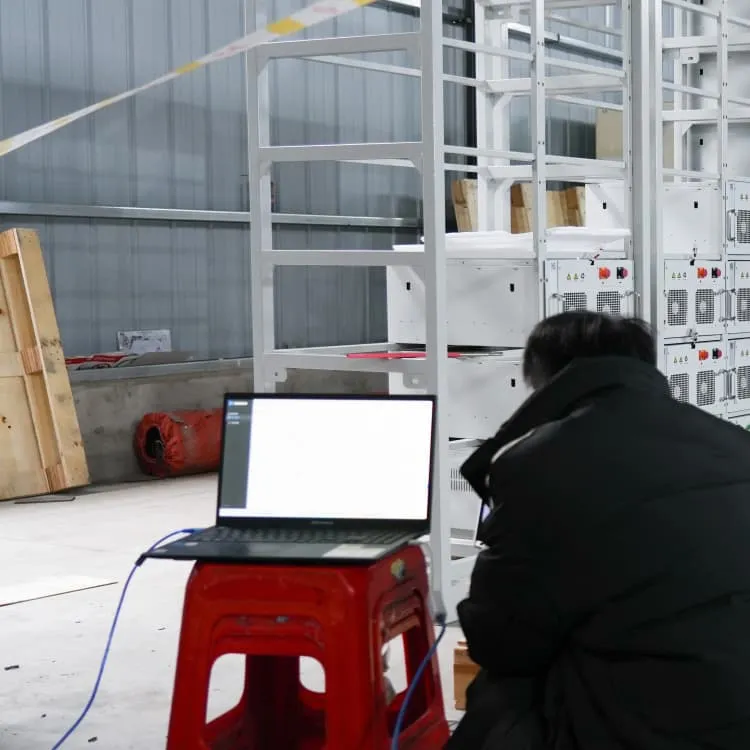
Energy Transition in Indonesia
Clean Energy Deployment Develop clear medium-term VRE deployment targets with associated tender timelines would help PLN benefit from low PV and wind power prices. Three regulatory
Read more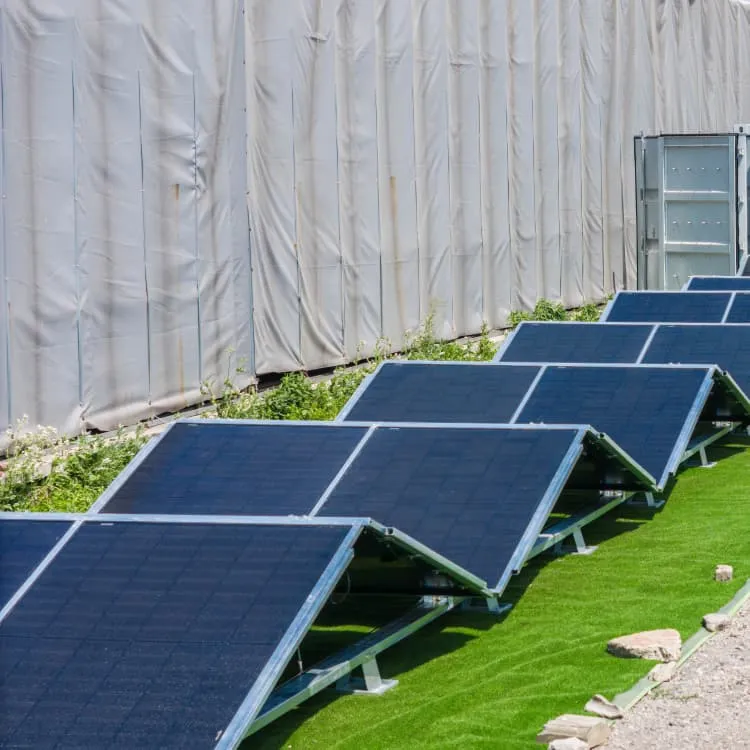
Indonesia''s Energy Transition: Key steps in accelerating the
Jakarta—A report by the Institute for Essential Services Reform (IESR) highlights that policies that encourage the growth of ESS in Indonesia must support its development. The
Read more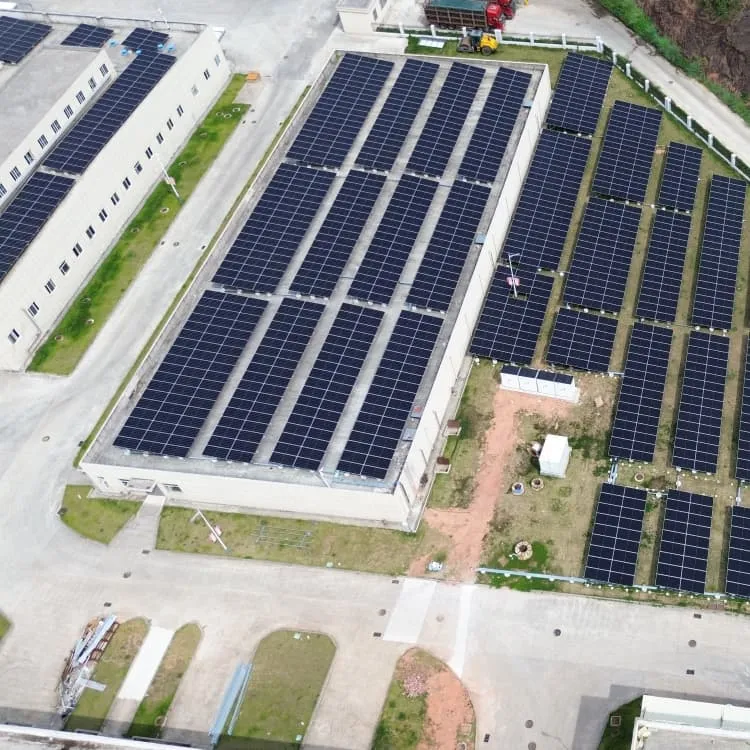
Indonesia''s Incentives for Green Tech & Renewable
Explore Indonesia''s green tech and renewable energy investment incentives, including tax holidays, carbon credits, and green finance programs.
Read more
Renewables offer a win-win solution for Indonesia to achieve
Over the years, PLN''s financial challenges have led to substantial subsidies and compensation from the Government of Indonesia (GOI) to support operation and maintenance
Read more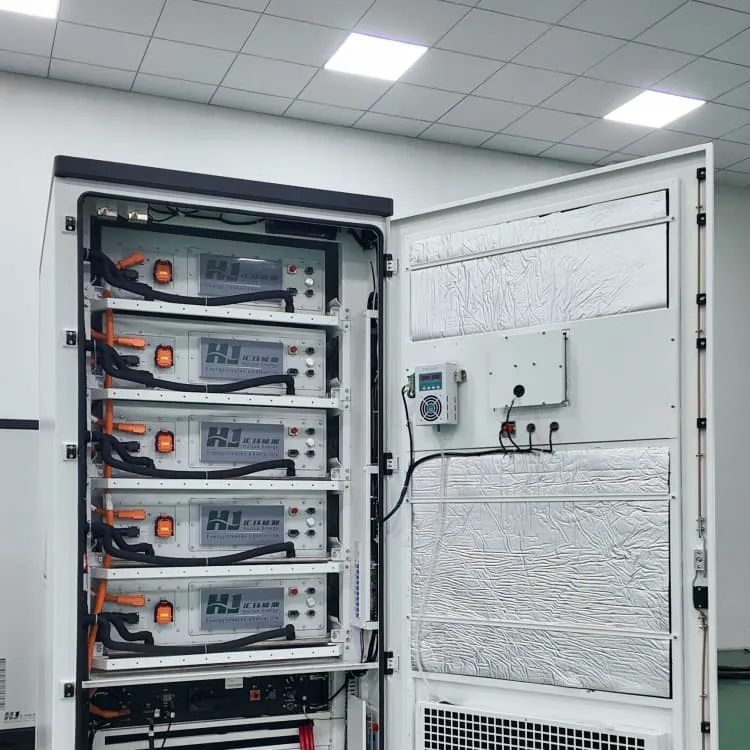
What are the energy storage projects in Indonesia?
1. Indonesia is undertaking a variety of energy storage initiatives to enhance its energy security, integrate renewable sources, and support
Read more
Advancing Renewable Energy in Indonesia: A
This study examines Indonesia''s evolving energy landscape, highlighting key challenges and opportunities for the implementation of
Read more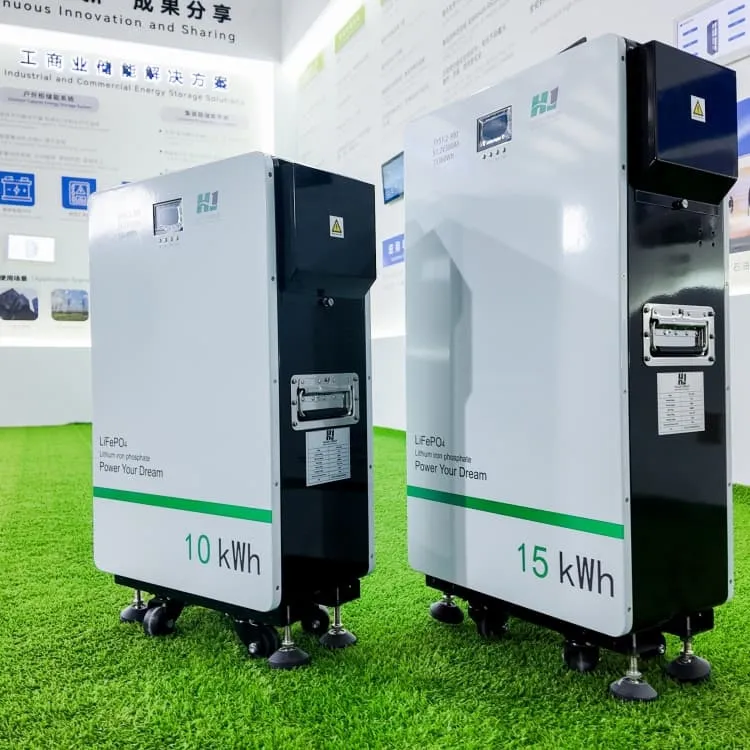
Renewables offer a win-win solution for Indonesia to
Over the years, PLN''s financial challenges have led to substantial subsidies and compensation from the Government of Indonesia (GOI) to
Read more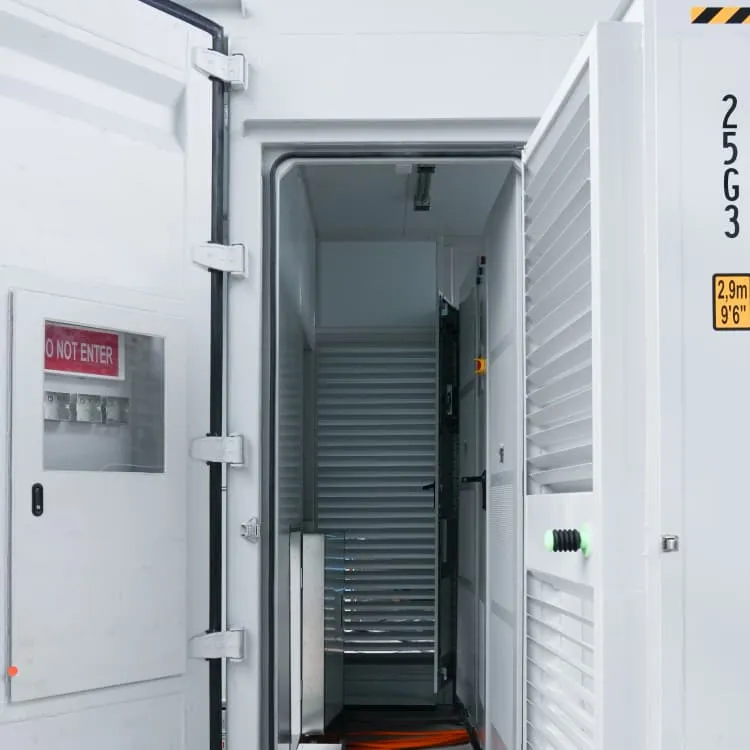
Indonesia launches first containerised energy storage
The first and largest containerised battery energy storage system (CBESS) for solar power has been launched in Indonesia. In a statement,
Read more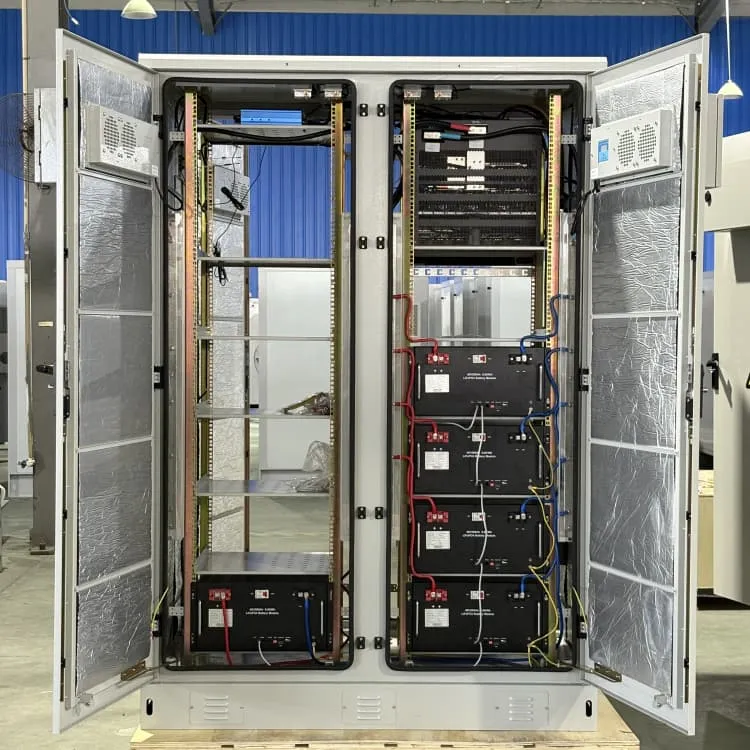
Indonesia''s Aggressive Renewable Energy Policies and Programs
Both these projects are a step towards increasing Indonesia''s share of renewable energy from 15% to 23% by 2030 and aligning with the ambitious goal of reaching net zero by 2060. These
Read more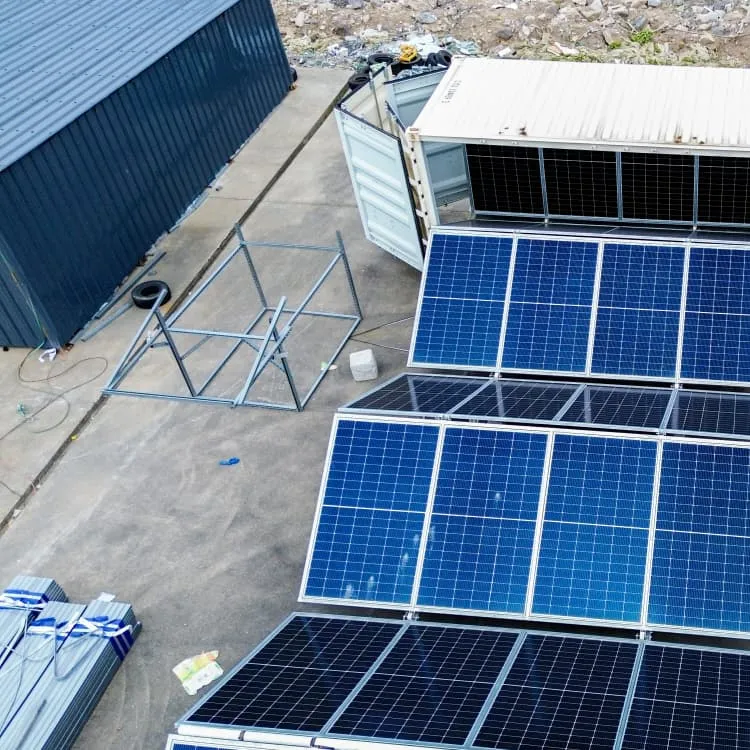
Indonesian government targets 320GWh BESS in new scheme
The programme will consist of 80GW of solar PV plants and 320GWh of battery energy storage systems (BESS) across 80,000 villages. The projects will comprise 1MW solar
Read more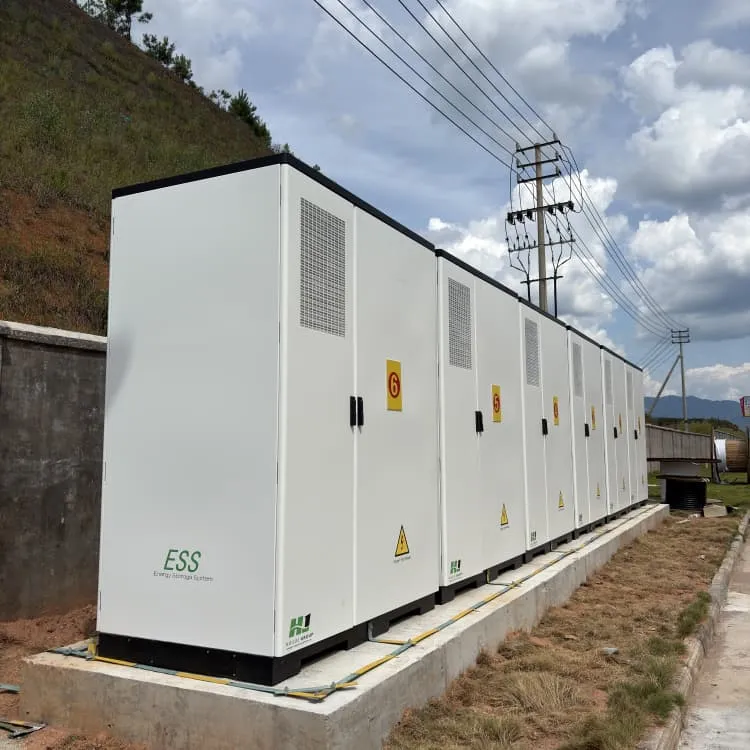
Indonesia''s Incentives for Green Tech & Renewable Energy
Explore Indonesia''s green tech and renewable energy investment incentives, including tax holidays, carbon credits, and green finance programs.
Read moreFAQs 6
Why does Indonesia subsidize fuel and electricity?
The Indonesian government subsidizes fuel and electricity to help keep energy affordable, especially for low-income groups (Ministry of Finance, 2010b). Energy subsidies are intended to increase household incomes in two ways. The direct effect is that, by paying less for fuel, households have more disposable income to spend on other things.
How can Indonesia ease the transition from fuel subsidies?
A suite of policies have been used by countries around the world, including Indonesia, to ease the transition away from fuel subsidies. The policies can be grouped into two categories: those that provide assistance to poor households and those that help the broader community to understand and support reform.
Why does Indonesia need a subsidy?
The Government of Indonesia, like many countries around the world, has used subsidies for decades to promote a range of social and economic objectives. Among the priorities vying for support are poverty alleviation, infrastructure development, health and education.
When will fuel subsidies be reformed in Indonesia?
In May 2011 the government announced that fuel subsidies will be retained but the distribution mechanism will be changed to a direct and targeted subsidy. A roadmap for the reform will be announced in July 2011 (KOMPAS, 2011b). The government of Indonesia has been trying to reduce subsidies for electricity by increasing tariffs.
How will Indonesia prepare for future renewable investment?
The government needs to undertake an in-depth economic evaluation of wind farms against coal-fired power plants. This will prepare Indonesia for receiving future renewable investment under the Belt and Road initiative, which already makes up 57% of the total overseas energy investment in 2020.
What are the main issues for energy transition in Indonesia?
For the rest of the article, we will lay out the three main issues for energy transition in Indonesia: fossil fuel dependency, underexplored renewable potential, and complicated political landscape. For each issue, we have one or two corresponding strategies of which we detailed their prospects.
Related Contents
- Mozambique energy storage project has subsidies
- Niger energy storage project subsidies
- 4MWH energy storage project plan
- Huawei Lithuania new energy storage project
- Portugal battery energy storage project construction
- Huawei Peru Photovoltaic Power Station Energy Storage Project
- Seychelles latest energy storage project
- Hybrid energy storage project layout